
Pantry x WinTraffic.ai: How a Pricing Consultancy Built Inbound from Zero
Industry
Agency
Published
January 12, 2026
Key results
x2,7
x2,7
Inbound leads
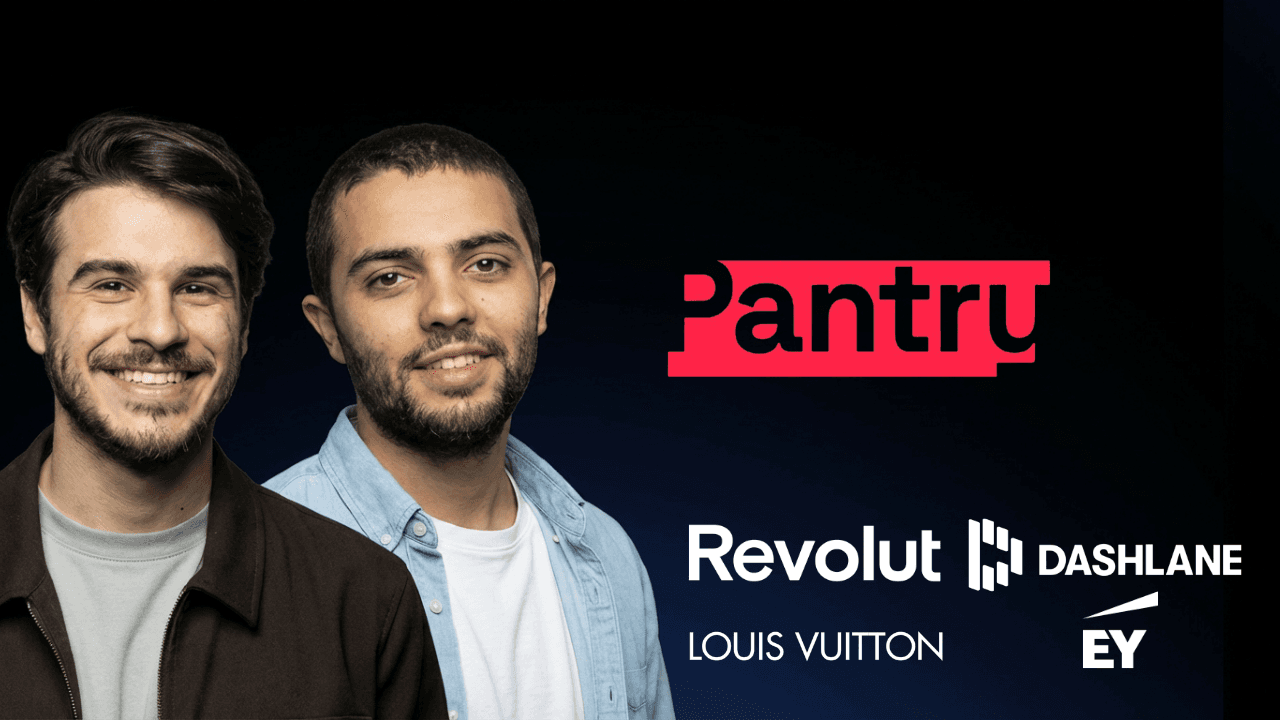
Pantry, the pricing and perceived value consultancy founded by two ex-EY strategists, built a predictable inbound pipeline with WinTraffic.ai after exhausting their personal network.
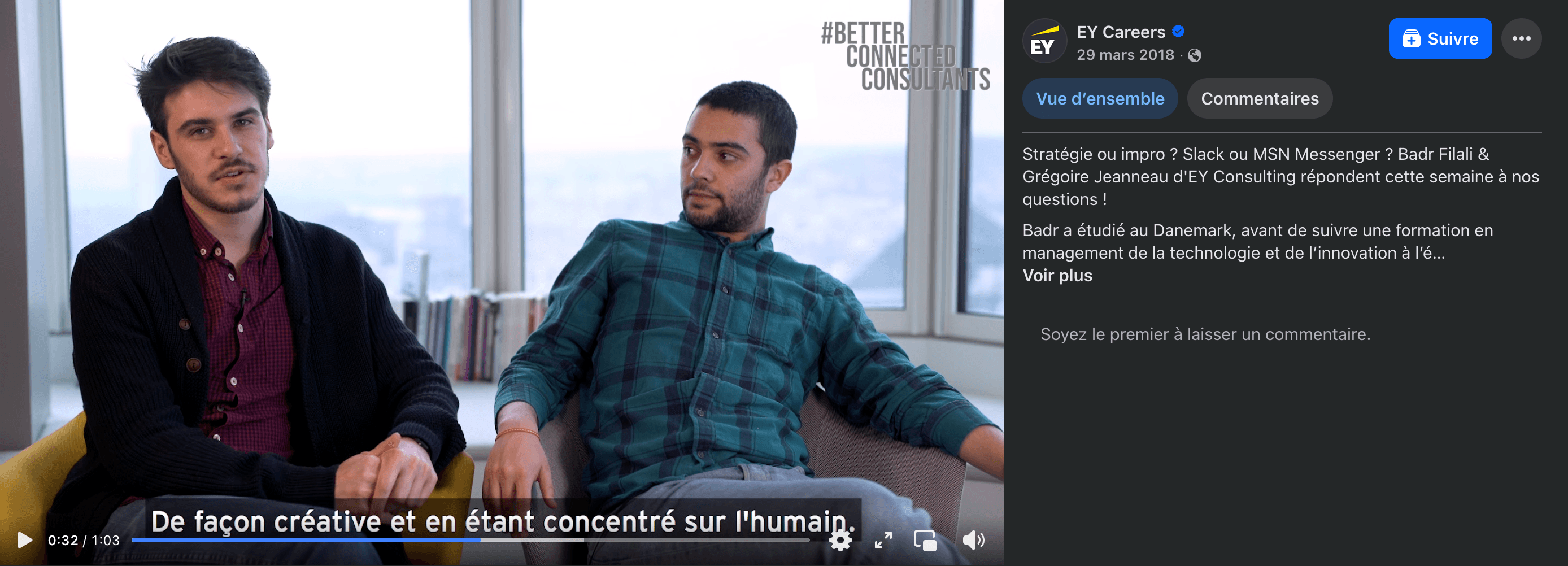
Greg and Badr met at EY-Seren, the design and strategy arm of EY in Paris.
Greg focused on experience design and product strategy. Badr worked across service design, impact investing analysis, and user research. Both later spent time at Dashlane, the password management company, before founding Pantry.
Pantry helps SaaS companies and startups get more revenue from what they already sell. No product changes. No new features. Just sharper pricing, better positioning, and a structure that matches how buyers perceive value. Their clients include companies backed by top-tier VCs, and they have worked with brands like Louis Vuitton, Revolut, and Dashlane.
The business was healthy. The problem was how it grew.
Every new client came through the founders. An EY alumni introduction. A Dashlane connection. A LinkedIn post that resonated. A conference conversation that turned into a project three months later. Greg and Badr were spending 30% of their time on business development. Not because the pipeline was empty, but because it only moved when they pushed it.
The service was ready to scale. The acquisition model was not. Pantry needed a channel that would generate qualified inbound consistently, independent of the founders' personal bandwidth.
The intent gap nobody optimizes for
What the buyer searches | What the real problem is | What Pantry fixes |
|---|---|---|
"Why is my close rate dropping even though demos are up" | Pricing misaligned with perceived value at the proposal stage | Proposal structure, price anchoring, tier design |
"My ARPU has been flat for six quarters" | No expansion revenue path built into the pricing model | Usage-based upsell triggers, plan upgrade architecture |
"Losing deals to cheaper competitors" | Value not communicated in the pricing structure | Positioning, packaging, competitive differentiation |
"How to reduce churn at renewal without discounting" | Customers do not see ongoing value relative to price | Retention pricing, value realization milestones |
"Enterprise prospects ghosting after the proposal" | Sticker shock or packaging confusion at the enterprise tier | Enterprise tier restructuring, ROI framing |
Pantry's market has a built-in discovery problem. The founders and heads of product who need pricing help almost never search for "pricing consultant" or "pricing strategy agency." They search for the business problem they are trying to solve.
"Why is my close rate dropping even though demos are up." "My ARPU has been flat for six quarters and I do not know what lever to pull." "We are losing deals to cheaper competitors but our product is better." "How to reduce churn at renewal without discounting." "Our enterprise prospects keep ghosting after we send the proposal."
These are revenue problems, conversion problems, retention problems. The buyer does not frame them as pricing problems. But that is exactly what they are. And Pantry is exactly who solves them.
Traditional SEO cannot capture this demand. You cannot rank for "why are prospects ghosting after my proposal." And the generic terms that do exist, like "SaaS pricing strategy," are locked by Harvard Business School, Simon-Kucher, and a decade of established content.
But something has changed. But something has changed. According to G2 research, 51% of B2B software buyers now start their research with an AI chatbot rather than Google. Founders open ChatGPT and describe the problem in plain language.
These are high-intent, high-value queries. The people typing them have budget, urgency, and a problem that is costing them revenue right now. And the AI gives one or two recommendations. If Pantry is not in the answer, the buyer finds someone else or tries to solve it alone.
Greg and Badr checked. Pantry was not in any of the answers. Not because they lacked credentials. Because they lacked the content infrastructure that AI engines need to connect a business problem to the right expert.
What WinTraffic built
Rather than a phased timeline, here is what the system produced and why each piece matters.
A map of 120+ real business problems that lead to pricing work. WinTraffic's research agent did not look for "pricing" keywords. It mapped the upstream problems: conversion rate drops, revenue plateaus, churn spikes, lost enterprise deals, failed price increases, packaging confusion. These are the moments when a founder realizes they need help. Each one became a content opportunity designed to position Pantry as the answer.
38 pages that meet buyers in the language of their problem. A founder searching for "why my close rate is dropping" does not want an article about pricing theory. They want someone who understands the mechanics of a deal falling apart at the proposal stage, and can explain what to fix. Pantry's content does exactly that. It starts with the symptom, connects it to the root cause, and makes clear that this is a solvable problem. The brand memory system ensured every page carried the same depth and tone as a real client conversation with Greg and Badr.
Citation signals tied to business outcomes, not abstract expertise. AI engines do not cite brands that say "we are pricing experts." They cite brands that answer specific questions with authority. Every page was structured with quotable statements grounded in real scenarios. FAQ blocks mirroring the exact phrasing founders use. Data points tied to SaaS benchmarks. Expert attribution linking back to the founders' work at EY, Dashlane, and their client engagements. The QA agent validated each page against these criteria before publication.
An internal linking architecture built around the buyer journey. A founder who lands on "why enterprise deals stall at the proposal stage" gets linked to "how to structure tiered pricing without confusing buyers," which links to "the real cost of discounting to close." Each page pulls the reader deeper into Pantry's worldview. For AI engines, this interconnected web of problem-solution content builds the topical authority that triggers citation.
What changed
Three months after launch, the pipeline works differently.
Founders who have never met Greg or Badr book calls through the website. But the nature of those calls has changed. These buyers do not arrive asking "what do you do?" They arrive saying "I think my packaging is wrong and it is killing my close rate" or "we tried raising prices and lost 40% of renewals, can you help us fix this." The conversation starts with a specific problem, not a discovery call. That compresses the sales cycle significantly.
Qualified inbound inquiries tripled. The leads arriving through AI recommendations close at higher price points because the buyer already trusts the expertise. They read an article that described their exact problem, understood that Pantry could fix it, and decided to reach out before looking at alternatives. Average deal size runs 20% higher on AI-sourced leads compared to referral leads.
The founders reclaimed most of the 30% of their time they used to spend on outbound development. Not because they stopped building relationships, but because the pipeline no longer depends on it. The content generates conversations. The founders close them.
Pantry is now cited across ChatGPT, Claude, Perplexity, Gemini, and Google SGE. Five out of six major AI engines. When a SaaS founder describes a revenue problem to an AI, Pantry is increasingly the name that comes back. For a specialized two-person consultancy, that level of visibility was previously reserved for firms ten times their size.
What Greg and Badr say about it
"We built this business on relationships, and I would not change that. But relationships have a bandwidth limit. There are only so many coffees you can take, so many posts you can write, so many introductions you can ask for. WinTraffic gave us something new: founders finding us because they described a business problem to an AI and our name came back. They show up having already read our thinking, already understanding the problem, and ready to engage. That is a fundamentally different way to grow a consulting business."
Their clients


Ready to become a success story?
See how WinTraffic helps B2B teams generate inbound leads from AI search.